04 Mar 8 Key Things to Expect When Transitioning Your Forklift Fleet to Lithium-Ion Batteries
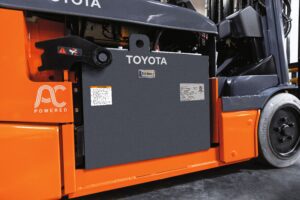
When your fleet has been using lead acid batteries to power your electric forklifts for years, there are factors that need to be considered before transitioning to lithium-ion, including fleet size, shift number, and your operational environment.
Here are a few things you can expect to help your transition to lithium-ion batteries as smoothly as possible.
-
Consistent Power
Whether you operate a large fleet running 24 hours a day or a single forklift, consistent power is essential. Lead-acid batteries can experience declining power rates as the shift wears on, which can impact performance over time. Lithium-ion batteries, however, provide consistent power and maintain stable voltage throughout the entire charge cycle, delivering reliable performance all the way to the end of the charge.
-
End of Life
Lead-acid batteries have been in use for decades, which means well-established recycling programs are widely available once they reach the end of their service life. Recycling programs for lithium-ion batteries, however, are still evolving. It’s important to research and plan how to recycle or dispose of lithium-ion batteries in your area when they reach the end of their lifespan.
-
Faster Charging Speeds
Lead-acid batteries typically take up to eight hours to fully charge and require an additional eight hours to cool down. Lithium-ion batteries charge much faster and eliminate the need for cool-down time. This allows for greater operational efficiency, increased daily productivity, and can even reduce the number of forklifts needed in your fleet.
-
Opportunity Charging
You can opportunity charging lithium-ion batteries in any setting without reducing their lifespan. In fact, opportunity charging can help extend overall battery life and does not increase maintenance requirements. While you can opportunity charging lead-acid batteries as well, doing so can shorten battery life and increase maintenance needs.
-
No Battery Swaps
Unlike traditional lead-acid batteries, lithium-ion batteries don’t need to be swapped out at the end of every shift. They can remain in the equipment longer and often replace up to three lead-acid batteries in multi-shift operations. This eliminates the need for frequent battery changes and reduces the space required to store extra batteries.
-
Cost
Lithium-ion batteries come with a higher upfront cost, but their longer lifespan and minimal maintenance requirements can significantly reduce expenses over time. In contrast, lead-acid batteries are more budget-friendly at the start, yet they often require more upkeep and earlier replacement. Before making the switch, it’s important to evaluate your operation carefully and ensure the efficiency gains and long-term savings will justify the initial investment.
-
Virtually Maintenance Free
Lithium-ion batteries eliminate the routine maintenance tasks that lead-acid batteries require, operators don’t need to water, equalize, or clean them regularly. With fewer maintenance demands, operations can reduce labor costs and minimize downtime, resulting in greater overall efficiency and cost savings.
-
Culture Change
Forklift operators familiar with lead-acid batteries will need to adjust their workflow when transitioning to lithium-ion, since they must plug in forklifts to charge every time they stop using them. By communicating clearly, providing proper training, and allowing time for operators to adapt, you can ensure a smoother transition and long-term success with your new power solution.
At Toyota Material Handling Systems, our team knows what it takes to keep your fleet running efficiently. We work closely with you to evaluate your operations, identify cost-saving opportunities, and implement a lithium-ion solution that delivers measurable results.
Through our sister company, Advanced Power Systems, we can conduct a power study to determine whether your operation is the ideal fit for lithium-ion batteries.
Ready to boost productivity, reduce expenses, and future-proof your fleet? Contact us today to learn how converting your forklifts to lithium-ion batteries can drive real value for your business.
Contact Us
Sorry, the comment form is closed at this time.