09 Jun National Forklift Safety Day: Why It Matters More Than Ever
Every year on the second Tuesday in June, businesses across the material handling, warehousing, manufacturing, and logistics industries recognize National Forklift Safety Day. While forklifts are essential to keeping supply chains moving, they also present significant risks when safety practices are overlooked.
National Forklift Safety Day serves as an important reminder that forklift safety is not just about compliance—it’s about protecting people, preventing costly accidents, and creating a culture where safety is a shared responsibility.
What Is National Forklift Safety Day?
National Forklift Safety Day was established in 2014 by the Industrial Truck Association (ITA), the trade association representing manufacturers of powered industrial trucks in North America. The annual event was created to educate customers, policymakers, employers, operators, and pedestrians about the safe use of forklifts and the importance of proper operator training.
Since its inception, National Forklift Safety Day has brought together industry leaders, safety professionals, and government agencies such as OSHA to discuss best practices, emerging technologies, and strategies for reducing forklift-related accidents. The day serves as a focal point for promoting workplace safety while highlighting the industry’s ongoing commitment to protecting employees who operate or work around forklifts.
Every year, industry leaders gather in Washington D.C. to discuss the latest in material handling safety. In 2025, Brett Wood, President and CEO of Toyota Material Handling North America, took the stage to highlight why National Forklift Safety Day exists. You can watch the 2025 event here.
Why Forklift Safety Matters
Forklifts are among the most commonly used pieces of equipment in warehouses, manufacturing facilities, distribution centers, and construction sites. Their ability to move heavy loads efficiently makes them indispensable—but also potentially dangerous when operated improperly.
Unlike many workplace hazards, forklift incidents can impact not only operators but also pedestrians, maintenance personnel, and anyone working nearby. A momentary lapse in attention, inadequate training, or poor facility design can result in serious injuries, fatalities, equipment damage, and operational downtime.
That’s why forklift safety requires a comprehensive approach that includes:
• Proper operator certification and ongoing training
• Daily equipment inspections
• Clearly marked pedestrian pathways
• Safe loading and unloading procedures
• Regular maintenance and service
• Strong workplace safety policies and enforcement
Forklift Safety Statistics That Highlight the Need for Vigilance
While safety technology and training programs have improved significantly over the years, forklift-related incidents remain a concern throughout the industry.
Consider these statistics:
Thousands of Workers Are Injured Each Year
OSHA estimates that approximately 7,500 workers suffer forklift-related injuries annually, with nearly 100 fatalities occurring in a typical year.
Between 35,000 and 62,000 Injuries Involve Forklifts Every Year
Industry and safety organizations estimate that forklift incidents contribute to 35,000 to 62,000 workplace injuries annually, including injuries to both operators and pedestrians.
More Than 70% of Forklift Accidents Are Preventable
One of the most compelling statistics is that OSHA estimates over 70% of forklift accidents could be prevented through proper training, equipment maintenance, facility design, and adherence to safety procedures.
Common Causes of Forklift Accidents
Many forklift incidents can be traced back to a handful of recurring issues:
Insufficient Operator Training
OSHA requires forklift operators to be trained, evaluated, and certified. Operators who lack proper training are more likely to make errors that lead to accidents.
Our operator training program prepares operators to operate various types of material handling equipment safely. Learn more about our operator training programs!
Pedestrian Strikes
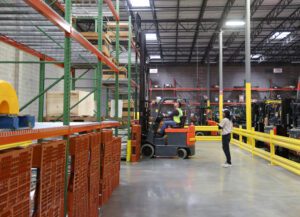
In busy warehouse environments, forklifts and pedestrians often share the same space. Poor visibility, distracted workers, and inadequate traffic management can create dangerous situations.
Tip-Overs
Forklifts can become unstable when carrying oversized loads, turning too quickly, or operating on uneven surfaces.
Improper Load Handling
Loads that exceed a forklift’s rated capacity or are improperly secured increase the risk of dropped loads and loss of control.
Poor Equipment Maintenance
Ignoring routine inspections and maintenance can result in mechanical failures that compromise safety.
Building a Strong Forklift Safety Culture
National Forklift Safety Day is about more than recognizing statistics. It’s about taking action.
Organizations that prioritize forklift safety often focus on:
• Ongoing operator education and refresher training
• Daily pre-shift inspections
• Regular preventive maintenance programs
• Facility audits to identify hazards
• Pedestrian awareness initiatives
• Investment in modern safety technologies
Many newer forklifts now include advanced safety features such as speed control systems, operator monitoring, proximity detection, blue safety lights, and enhanced visibility technologies that help reduce risk and improve situational awareness.
Safety Is a Year-Round Commitment
National Forklift Safety Day serves as an annual reminder that every safe shift begins with proper training, well-maintained equipment, and a commitment to following established procedures.
Whether you operate a single forklift or manage an entire fleet, taking the time to review safety practices can help prevent injuries, reduce downtime, and protect your most valuable asset. Your people!
As the material handling industry continues to evolve, one principle remains unchanged: safety must always come first.
Sorry, the comment form is closed at this time.